


“When someone comes into the hospital, they don’t even want to identify they’re Indigenous,” says Henry. “And if they do, they’ve got nothing but bad stories.”
When Ellie Henry walks into Scarborough Health Network (SHN), she brings with her a mission to change health care for Indigenous communities. As the Indigenous Patient Navigator, she advocates for safe, inclusive, and culturally sensitive care environments where Indigenous patients feel heard and respected.
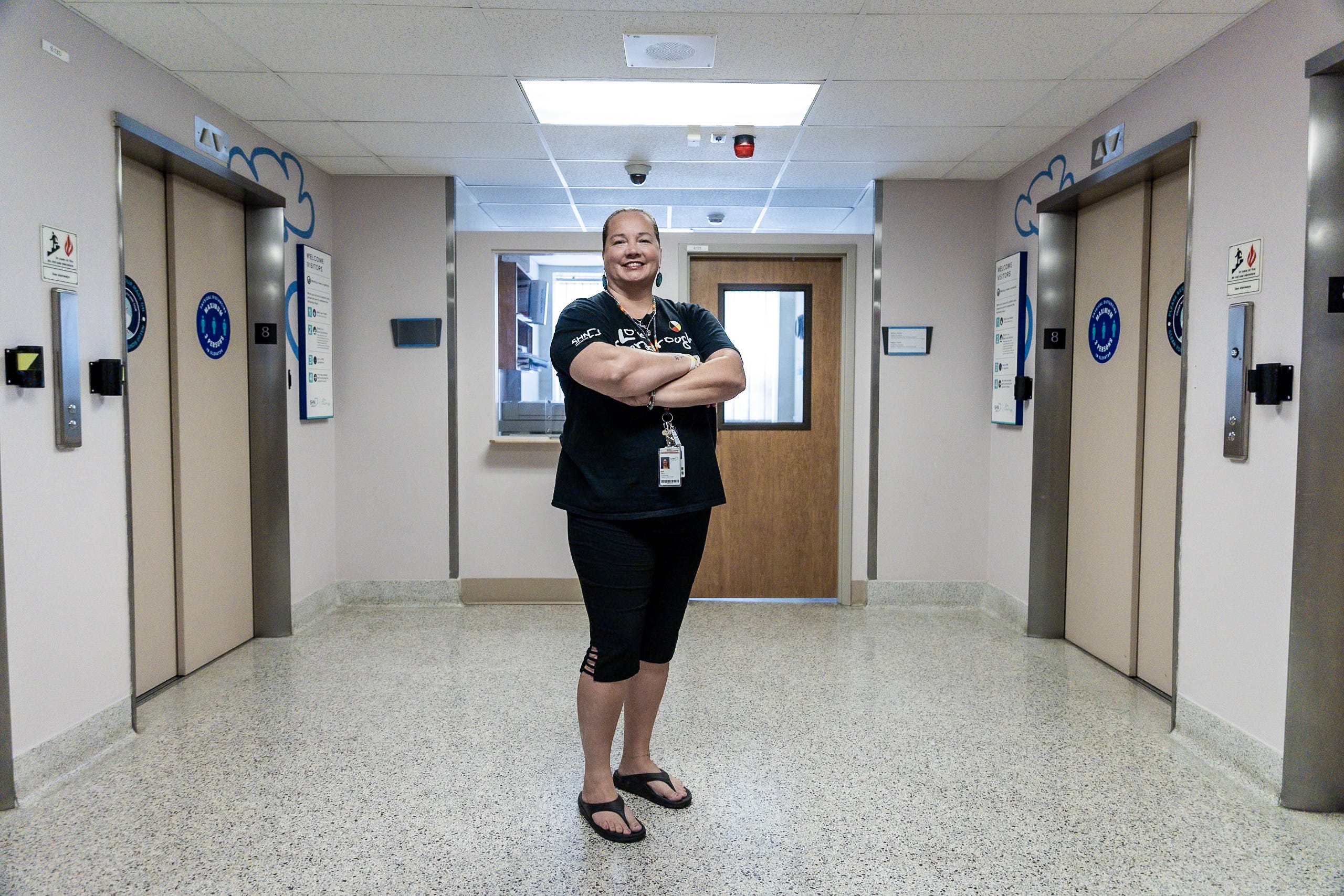
Henry’s work confronts the historical racism, mistreatment, and poor care that Indigenous people face in healthcare facilities, frequently leading to deaths like in the case of Joyce Echaquan in Quebec. Such treatment has left many wary of hospitals.
Part of SHN’s 2022-2025 Equity, Diversity, and Inclusion strategy, Henry’s role was created to strengthen SHN’s Indigenous Health Program. With over seven years of experience supervising healthcare professionals within First Nations communities, Henry is dedicated to making health care more supportive for Indigenous patients and their families.
Her approach centres on trauma-informed care, which considers the deep impact of historical and intergenerational trauma. Supporting Indigenous patients includes creating an environment where they feel safe to seek traditional healing if they wish, she explains.
Henry actively engages SHN staff in Indigenous cultural sensitivity training, embedding principles of trauma-informed care throughout the network. Learning has to be ongoing, Henry says, emphasizing the need for hands-on sessions that build empathy and understanding. “If everyone understood where everyone was coming from, then people would just treat people better in general.”
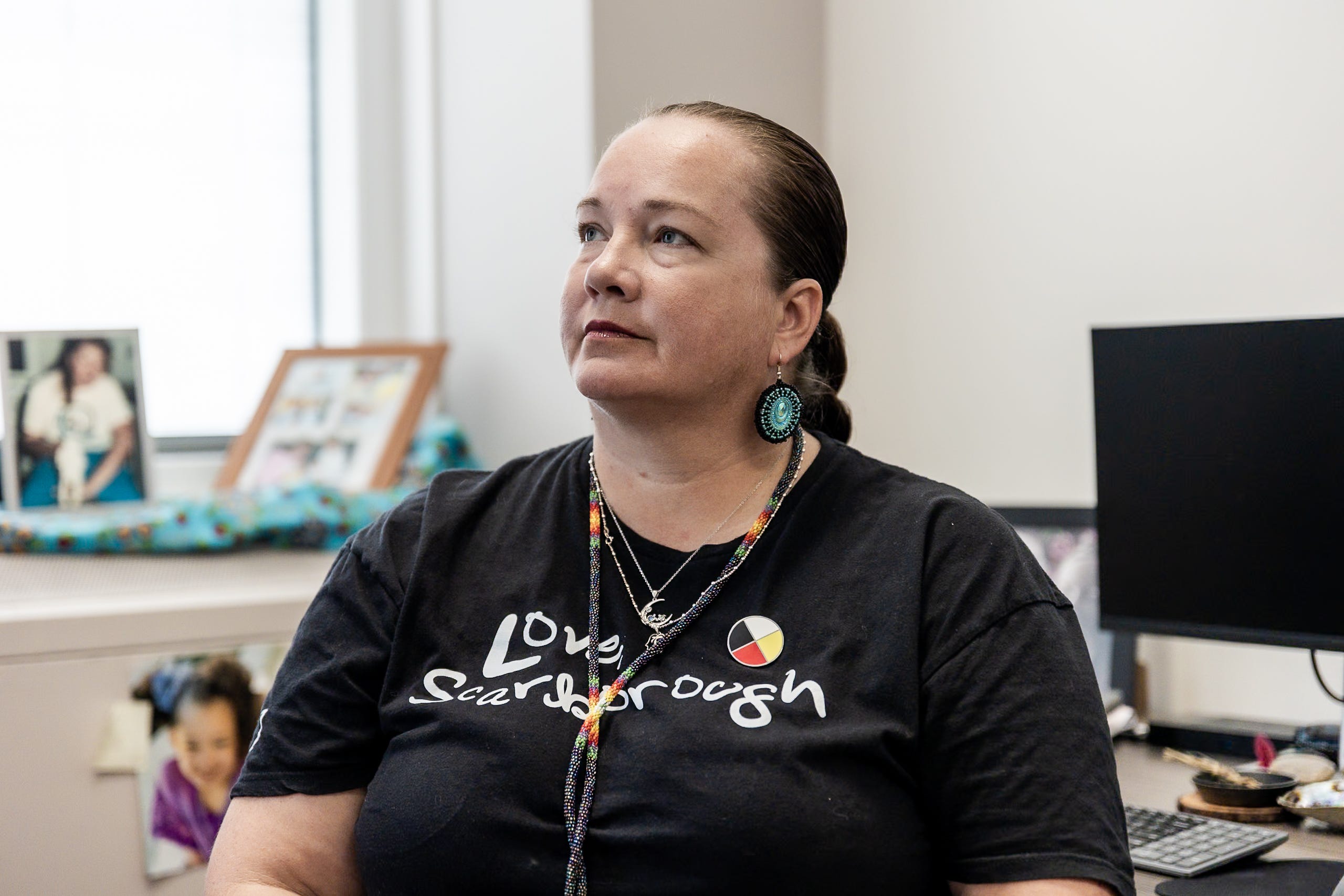
“In a hospital setting, they’re just looking at your physical symptoms,” she says. However, cultural practices and ceremonies can help provide more holistic care for Indigenous patients. “Be open to allowing for ceremony as part of healing.”
Henry envisions hospital spaces that offer holistic healing options, like sacred fires and sweat lodges, reflecting a broader view of health encompassing mental, spiritual, and emotional well-being.
Her commitment extends beyond individual interactions to policy development and community outreach. Henry has spearheaded initiatives like a smudging policy at SHN and organizes events, such as drum socials with local partners like the Scarborough Centre for Healthy Communities. These gatherings foster a sense of connection and visibility for Indigenous culture within health care.
Henry’s work addresses significant challenges Indigenous patients face in health care, aiming to dismantle the systemic barriers that have historically marginalized these communities. Despite her achievements, she remains the only Indigenous liaison at SHN, limiting her capacity to support Indigenous patients consistently. She dreams of expanding her team to offer continuous support, noting the gaps left when she’s not there. Instances of discrimination or inadequate care in her absence highlight the need for an expanded support network.
Written by Huma Hamid
Photography by Nikita Goutam
Aerial Video by Sid Naidu
Produced by Sid Naidu | Documentarian
This post was originally published through changemade.co in March 2025
Reporting for this project was made possible by strategic funding from the Toronto Arts Council to support local capacity building around storytelling with emerging artists from Scarborough.
